
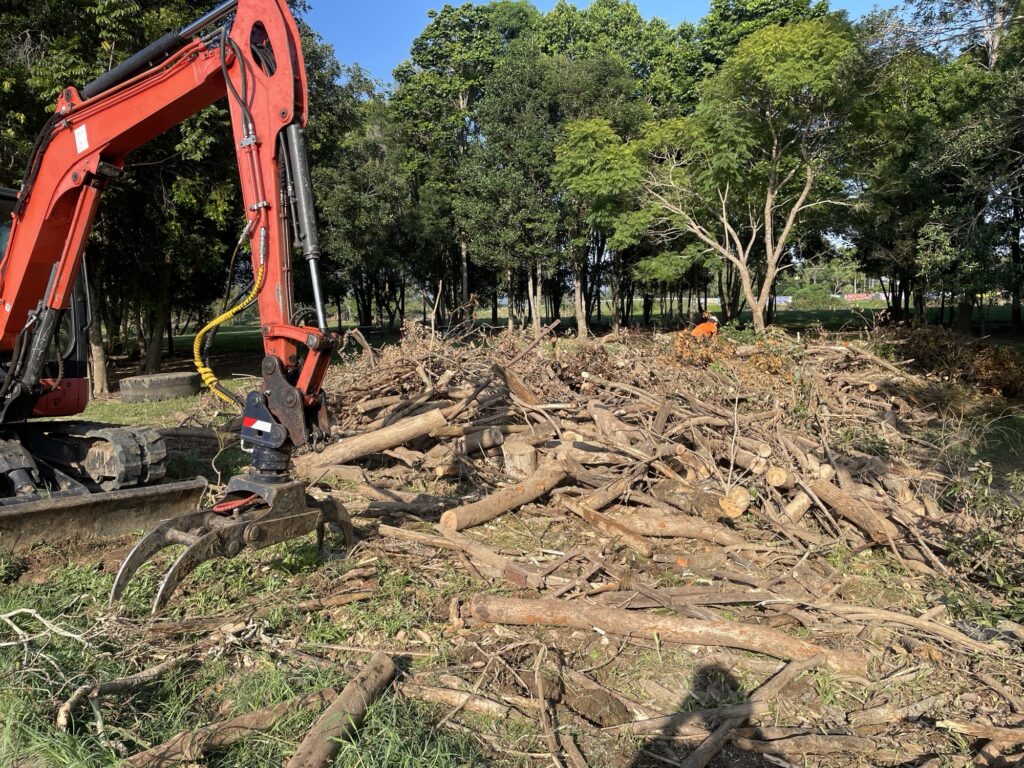
When Storms Hit a Brisbane Construction Site — Understanding Construction Site Storm Damage Brisbane Risks
South East Queensland’s subtropical climate delivers some of Australia’s most destructive storm events, and construction sites remain uniquely vulnerable when severe weather strikes. Construction site storm damage Brisbane contractors face each year costs the industry millions in delays, remediation works, and insurance claims — yet proper emergency response protocols can dramatically reduce both downtime and financial impact.
Between November and March, Brisbane’s storm season brings intense supercell thunderstorms, flash flooding, and damaging winds that can exceed 125 kilometres per hour. For active construction sites across Sunnybank, Moorooka, Rocklea, and surrounding suburbs, these events create compound hazards that standard building sites rarely encounter.
Unlike completed structures, construction sites feature exposed excavations, temporary drainage systems, partially completed structures, and significant tree retention requirements — all of which become critical vulnerabilities during storm events. The combination of disturbed soil, removed vegetation, and in-progress earthworks creates perfect conditions for erosion, sediment transport, and structural compromise.
Why Construction Sites Face Elevated Storm Risks
Active civil works fundamentally alter the natural landscape’s ability to manage stormwater. Native vegetation typically intercepts rainfall, reduces runoff velocity, and stabilises soil profiles. Once tree clearing for construction begins, these natural protections disappear, leaving exposed surfaces that concentrated rainfall can devastate within minutes.
Consider a typical 2,000-square-metre development site in Carindale or Holland Park. Pre-construction, that land might absorb 70% of rainfall through vegetation and established soil profiles. Post-clearing, the same rainfall becomes almost entirely surface runoff, carrying topsoil, construction materials, and sediment into neighbouring properties and waterways.
The Brisbane City Council stormwater drainage requirements exist precisely because of this increased runoff potential. However, temporary erosion controls installed during construction rarely match the performance of permanent systems — making storm events particularly dangerous during the construction phase.
Common Storm Damage Scenarios on SEQ Construction Sites
Understanding typical damage patterns helps site managers and project stakeholders prepare appropriate response protocols. Across South Brisbane civil projects, we consistently observe several primary damage categories following severe weather events.
| Damage Category | Typical Causes | Common Locations | Severity Range |
|---|---|---|---|
| Tree and vegetation damage | High winds, saturated soils, lightning strikes | Retained vegetation zones, boundary trees, street trees | Minor limb drop to complete failure |
| Excavation collapse | Water ingress, soil saturation, inadequate battering | Foundation excavations, basement digs, service trenches | Partial slumping to complete collapse |
| Erosion and sediment transport | Concentrated runoff, failed erosion controls | Cut batters, stockpile areas, haul roads | Surface rilling to major gully formation |
| Drainage system failure | Capacity exceedance, debris blockage, pipe damage | Temporary drains, sediment basins, stormwater connections | Localised ponding to major flooding |
| Structural damage | Wind loads, debris impact, water damage | Scaffolding, formwork, temporary structures, materials storage | Minor damage to complete loss |
| Flood damage | Flash flooding, creek overflow, drainage failure | Low-lying sites, creek corridors, flood-prone areas | Sediment deposition to complete inundation |
Each damage category requires specific assessment protocols and specialist response capabilities. At Dynamic Earth Solutions, our emergency civil works Queensland teams maintain equipment and personnel ready for rapid deployment following major storm events across the South Brisbane region.
First 24 Hours — Immediate Safety Steps After Construction Site Storm Damage Brisbane Events
The initial 24-hour period following a major storm determines both safety outcomes and project recovery timelines. Rushed or inadequate initial responses frequently compound damage, create additional hazards, and complicate insurance claims. Structured emergency protocols protect personnel, limit secondary damage, and establish the documentation foundation for insurance recovery.
Site Access Restrictions and Safety Perimeters
Before any personnel enter a storm-damaged construction site, establish clear access restrictions. Post-storm sites present numerous hazards that may not be immediately visible — undermined excavations, energised fallen powerlines, structurally compromised trees, and unstable temporary structures all pose life-threatening risks.
The WorkSafe Queensland excavation guidelines mandate specific safety requirements for excavation inspection following water ingress events. These requirements become even more critical when combined with other storm damage factors.
Implement the following immediate restrictions:
- Prohibit all site access until qualified personnel complete initial hazard assessment
- Establish minimum 10-metre exclusion zones around damaged trees, structures, and excavations
- Contact electrical utilities to confirm powerline status before any site entry
- Document access restrictions with dated photographs and signage
- Brief all personnel on current site hazards before allowing controlled access
Emergency Services Coordination
Severe storm events may require coordination with multiple emergency services. The Queensland State Emergency Service maintains primary responsibility for storm damage response across the state, while specific hazards may involve Queensland Fire and Emergency Services, Energex, or local council emergency management teams.
Document all emergency service interactions, including incident numbers, attending officer details, and any verbal instructions provided. This documentation becomes critical for insurance claims and regulatory compliance verification.
24-Hour Emergency Response Checklist
Follow this structured protocol to ensure comprehensive initial response:
- Hour 0-2: Establish site perimeter and access restrictions. Contact emergency services if immediate hazards exist. Notify site principal contractor and project stakeholders.
- Hour 2-4: Conduct external perimeter assessment from safe locations. Document visible damage with timestamped photographs. Identify immediate risks to neighbouring properties or public areas.
- Hour 4-8: Engage qualified assessors for specific hazards — structural engineers for building damage, arborists for tree hazards, geotechnical specialists for excavation concerns.
- Hour 8-12: Begin controlled site access with qualified personnel. Complete detailed damage inventory. Initiate insurance notification procedures.
- Hour 12-18: Prioritise emergency works to prevent secondary damage. Engage specialist contractors for hazard removal. Document all emergency expenditure.
- Hour 18-24: Complete initial damage assessment report. Develop preliminary recovery timeline. Schedule follow-up assessments as required.
Our team at Dynamic Earth Solutions provides disaster recovery services specifically designed for civil construction applications. We understand the unique requirements of construction site recovery and maintain the equipment and expertise to mobilise rapidly following major weather events.
Preventing Secondary Damage
Storm damage rarely occurs in isolation. Initial impacts frequently create conditions that enable secondary damage — water ingress through damaged structures, ongoing erosion from compromised drainage, and progressive failure of damaged trees all represent preventable secondary losses if addressed promptly.
Prioritise emergency works that prevent ongoing damage:
- Temporary covering for exposed excavations and stockpiles
- Emergency drainage to remove ponded water from critical areas
- Removal of unstable trees or large limbs threatening structures or personnel
- Securing loose materials that could become projectiles in subsequent weather
- Temporary fencing to maintain site security if boundary fencing is damaged
Emergency Tree and Debris Removal — Critical Response for Construction Site Storm Damage
Tree damage represents one of the most common and most hazardous outcomes of severe storms on construction sites. Brisbane’s urban forest includes numerous large eucalyptus species, many of which have evolved in environments with different soil and wind conditions than those created by surrounding development. When storms strike, these trees can fail catastrophically.
On construction sites, tree failures create unique challenges. Retained trees on development boundaries may fall onto active construction zones. Street trees may block site access. Trees within tree protection zones may suffer partial failures that threaten personnel or structures without completely blocking access.
Immediate Tree Hazard Assessment
Post-storm tree assessment requires specific expertise that general construction personnel typically lack. Visual indicators of tree stability can be deceptive — apparently intact trees may have suffered root failures or trunk fractures that make them extremely dangerous. Conversely, trees with visible damage may remain structurally sound.
Our sister company, Dynamic Tree Solutions, provides 24/7 emergency tree response services specifically designed for post-storm situations. Their teams include AQF-certified arborists in Brisbane who can rapidly assess tree hazards and recommend appropriate responses.
Critical assessment considerations include:
- Root plate lifting or soil heaving around tree bases
- Trunk cracks, splits, or obvious structural failures
- Major limb hangers suspended in the canopy
- Lean changes compared to pre-storm photographs
- Crown damage affecting tree stability or recovery potential
Coordinating Tree Removal on Active Construction Sites
Tree removal following storm damage requires careful coordination between arboricultural services and ongoing construction activities. Unlike standard tree removal projects, emergency works on construction sites must account for active excavations, temporary structures, underground services, and partially completed buildings.
The dangerous tree removal specialists at Dynamic Tree Solutions maintain specific capabilities for construction site applications. Their teams understand the unique constraints of active civil works and can coordinate removal operations that protect both personnel and construction assets.
Standard coordination requirements include:
- Confirming underground service locations before any ground disturbance
- Establishing exclusion zones that protect excavations and structures
- Coordinating crane or elevated work platform positioning with site constraints
- Managing debris removal without damaging completed works
- Documenting all tree removal for regulatory compliance and insurance purposes
Debris Management and Site Cleanup
Storm debris extends beyond fallen trees. Vegetation fragments, building materials, sediment deposits, and damaged equipment all require systematic removal and disposal. Effective debris management protects site safety, enables damage assessment of underlying areas, and demonstrates appropriate site management for insurance purposes.
Professional tree removal Brisbane services typically include debris management as a standard component. For larger sites or more extensive damage, commercial tree services can provide comprehensive cleanup including mulching, timber removal, and site restoration.
For construction sites, debris management must also address:
- Segregation of recyclable timber from general waste
- Identification and proper disposal of contaminated materials
- Documentation of material quantities for insurance claims
- Compliance with Brisbane City Council waste disposal requirements
- Protection of retained trees during cleanup operations
Where significant vegetation clearing becomes necessary following storm damage, land clearing Brisbane specialists can provide efficient large-scale debris removal while maintaining appropriate environmental protections.
Drainage and Erosion Damage — Restoring Site Stability After Construction Site Storm Damage Brisbane
Severe storms can devastate temporary drainage systems and erosion controls that construction sites depend upon. The combination of intense rainfall, concentrated runoff, and disturbed soil profiles creates conditions for rapid erosion that can undermine structures, contaminate waterways, and require extensive remediation works.
South Brisbane’s terrain includes numerous sites with significant grade changes, creek corridors, and flood-prone areas. Sites in Rocklea, Moorooka, Archerfield, and surrounding suburbs face particular drainage challenges due to proximity to Oxley Creek and its tributaries.
Assessing Drainage System Damage
Post-storm drainage assessment should examine both temporary construction drainage and permanent systems that may have been partially completed. Common damage patterns include:
| Drainage Component | Common Damage Types | Assessment Method | Typical Repair Approach |
|---|---|---|---|
| Sediment basins | Overtopping, bank erosion, sediment overflow | Visual inspection, capacity measurement | De-silting, bank repair, capacity upgrade |
| Temporary drains | Blockage, scour damage, displacement | Flow testing, visual inspection | Clearing, re-establishment, rock lining |
| Erosion controls | Silt fence failure, rock check damage, mulch loss | Visual inspection, sediment tracking | Replacement, upgrade to higher capacity |
| Stormwater pipes | Joint separation, debris blockage, crushing | CCTV inspection, flow testing | Relining, replacement, debris removal |
| Inlet structures | Debris blockage, structural damage, scour | Visual inspection, capacity testing | Clearing, repair, scour protection |
Our civil drainage installation teams regularly address storm damage to drainage systems across South Brisbane. We understand the urgency of restoring drainage function to prevent ongoing erosion and secondary damage.
Erosion Assessment and Stabilisation
Erosion damage on construction sites typically presents in three primary forms: sheet erosion across exposed surfaces, rill erosion creating small channels, and gully erosion forming significant drainage features. Each form requires different remediation approaches and carries different implications for site recovery.
Sheet erosion, while visually less dramatic, can remove significant topsoil volumes and redistribute sediment across lower site areas. Rill erosion indicates concentrated flow paths that may require drainage improvements rather than simple surface restoration. Gully erosion represents serious site stability concerns that may require geotechnical assessment before remediation.
The AS 3798 — Guidelines on earthworks for commercial and residential developments provides specific requirements for soil management during construction that become particularly relevant following storm damage. Compliance with these standards helps ensure that remediation works create stable site conditions for ongoing construction.
Effective erosion stabilisation typically requires:
- Immediate installation of temporary erosion controls in active erosion areas
- Soil testing to assess changes in compaction and moisture content
- Grading to restore design surface profiles
- Revegetation or surface stabilisation of exposed areas
- Upgrade of drainage systems to handle demonstrated storm flows
Our site levelling and grading services address storm damage restoration across South Brisbane, working with project teams to restore site conditions while maintaining construction schedules where possible.
Sediment Management and Environmental Compliance
Storm events frequently result in sediment discharge beyond site boundaries, creating environmental compliance concerns and potential liability issues. Brisbane City Council planning and development conditions typically include specific requirements for sediment and erosion control that remain enforceable throughout construction.
Post-storm sediment management should address:
- Documentation of sediment discharge extent and locations
- Immediate installation of additional erosion controls
- Notification to council if discharge has reached waterways
- Cleanup of sediment deposits on neighbouring properties
- Review and upgrade of site erosion and sediment control plans
Structural Damage Assessment Following Construction Site Storm Damage
Severe storms can cause significant structural damage to both temporary construction elements and partially completed permanent structures. Wind loads, debris impact, water damage, and ground movement all contribute to potential structural compromise that requires expert assessment before construction can safely resume.
Temporary Structures and Formwork
Construction sites typically feature numerous temporary structures including scaffolding, formwork, site offices, materials storage, and temporary fencing. These elements are designed for shorter service lives and may have lower resistance to extreme loads than permanent structures.
Post-storm assessment of temporary structures should consider:
- Scaffolding for connection integrity, base stability, and member damage
- Formwork for dimensional accuracy, connection integrity, and concrete contamination
- Site buildings for structural damage, water ingress, and electrical safety
- Materials storage for damage, contamination, and secure storage
- Temporary fencing for stability, security, and public safety compliance
Damaged temporary structures may require demolition services before reconstruction can proceed. Our teams can safely remove storm-damaged structures while protecting surrounding construction works.
Foundation and Excavation Stability
Water ingress into excavations represents one of the most serious structural concerns following storm events. Saturated soils lose bearing capacity, and concentrated water flow can undermine foundation preparations that appeared stable before the storm.
The AS 1289 — Methods of testing soils for engineering purposes provides testing procedures for assessing soil conditions following moisture changes. Depending on excavation depth and founding conditions, geotechnical reassessment may be required before construction can resume.
Our bulk and detailed excavations teams understand the specific requirements for excavation assessment following storm events. We work with project geotechnical consultants to ensure that excavations meet design requirements before construction proceeds.
Critical assessment areas include:
- Footings and trenches for slumping, water damage, and bearing capacity
- Battered excavations for slope stability and erosion damage
- Basement excavations for water table changes and lateral support integrity
- Service trenches for pipe damage and backfill displacement
Partially Completed Structures
Structures under construction may lack the complete load paths and bracing systems that enable finished buildings to resist storm loads. Partially completed frames, unfinished roof systems, and incomplete cladding all create vulnerabilities that severe weather can exploit.
Structural assessment of partially completed buildings should involve the project structural engineer and may require load testing or detailed inspection beyond visual assessment. Document all visible damage with photographs and detailed notes before any cleanup or repair works begin.
For concrete structures, particular attention should focus on:
- Recently poured elements that may have experienced wash damage
- Exposed reinforcement that may have suffered corrosion initiation
- Joint and connection areas where water may have entered
- Post-tensioned elements where strand corrosion is particularly critical
Our concrete and slab preparation services include assessment and remediation of storm-damaged concrete works, helping project teams restore construction schedules following weather delays.
Insurance Documentation for Construction Site Storm Damage Brisbane Claims
Comprehensive documentation forms the foundation of successful insurance claims following storm damage. Insurance assessors require detailed evidence of damage extent, causal relationships, and remediation requirements. Inadequate documentation frequently results in disputed claims, delayed settlements, and reduced recovery amounts.
Immediate Documentation Requirements
Begin documentation immediately upon safe site access. The passage of time, subsequent weather events, and remediation works all complicate efforts to demonstrate damage extent and causation. Comprehensive immediate documentation protects claim value and reduces disputes.
Essential documentation includes:
- Timestamped photographs of all damage from multiple angles
- Video walkthroughs showing damage extent and relationships
- Written descriptions of damage observations with dates and times
- Witness statements from personnel who observed damage occurring
- Bureau of Meteorology data confirming weather event details
- Pre-event photographs demonstrating prior site condition
Professional Assessment Reports
Insurance claims for significant damage typically require professional assessment reports from relevant specialists. These reports provide the technical evidence that supports claim quantum and demonstrates appropriate remediation approaches.
Common assessment requirements include:
- Structural engineering assessment for building and excavation damage
- Arborist reports for tree damage and removal requirements
- Geotechnical assessment for soil and foundation impacts
- Quantity surveying for remediation cost estimates
- Civil engineering assessment for drainage and earthworks damage
For tree-related damage, consulting arborist reports provide the documentation that insurers require. These reports assess damage extent, identify removal requirements, and establish appropriate remediation costs.
Remediation Documentation
Throughout the remediation process, maintain comprehensive records of all works undertaken. This documentation supports insurance claims, demonstrates compliance with regulatory requirements, and provides evidence of appropriate site management.
Critical remediation records include:
- Contractor quotations and scope documents
- Daily work records and progress photographs
- Materials invoices and delivery documentation
- Testing and inspection reports
- Final completion photographs and reports
The Queensland Building and Construction Commission maintains specific requirements for construction documentation that overlap with insurance documentation needs. Maintaining compliant records throughout remediation supports both regulatory compliance and insurance recovery.
Working with Insurance Assessors
Insurance assessors bring specific expertise to damage evaluation but may lack detailed understanding of construction site operations. Effective communication with assessors helps ensure accurate damage evaluation and appropriate claim outcomes.
Prepare for assessor visits by:
- Compiling all documentation in organised, accessible format
- Preparing site access and safety requirements
- Arranging for appropriate technical personnel to attend
- Documenting assessor observations and any verbal guidance
- Following up in writing on all significant discussions
Civil Contractor and Arborist Coordination for Construction Site Storm Damage Brisbane Recovery
Effective storm damage recovery requires coordinated response from multiple specialist contractors. Tree damage, civil works, structural repairs, and site restoration all interconnect, requiring careful sequencing and communication to achieve efficient recovery without creating additional hazards.
Establishing Response Coordination
Following major storm events, multiple contractors may need simultaneous site access. Without clear coordination, conflicting activities create safety risks and operational inefficiencies. Establish clear coordination protocols that identify responsibilities, communication channels, and decision authorities.
Key coordination elements include:
- Single point of contact for all emergency response activities
- Daily coordination meetings during active emergency response
- Clear work zone delineation and access protocols
- Shared documentation systems for all contractors
- Defined escalation paths for safety concerns or scope changes
At Dynamic Earth Solutions, we maintain close working relationships with Dynamic Tree Solutions specifically to enable seamless coordination during emergency response situations. This integrated approach eliminates the communication gaps that frequently delay recovery works.
Sequencing Recovery Works
Recovery work sequencing significantly impacts both safety outcomes and project timelines. Inappropriate sequencing can create hazards, damage completed works, or prevent access for subsequent activities.
Typical sequencing priorities for construction site storm recovery:
- Immediate hazard removal: Unstable trees, damaged structures, electrical hazards
- Access restoration: Debris clearing, road repairs, temporary access improvements
- Drainage restoration: Dewatering, drain clearing, temporary erosion controls
- Detailed assessment: Structural inspection, geotechnical assessment, damage documentation
- Major debris removal: Tree removal, demolition, material disposal
- Civil remediation: Earthworks restoration, drainage repairs, surface stabilisation
- Construction resumption: Normal construction activities with any required modifications
Communication Protocols
Clear communication between civil contractors and arborists ensures that tree removal activities don’t damage civil works, and that civil operations don’t compromise retained trees or create access issues for arborist operations.
Effective communication should address:
- Underground service locations and protection requirements
- Excavation and structure protection during tree operations
- Tree protection zone requirements during civil operations
- Equipment access routes and staging areas
- Debris management and disposal responsibilities
The Australian Standard AS 4970 — Protection of trees on development sites provides specific requirements for tree protection during construction activities. These requirements remain relevant during storm recovery to protect retained trees from secondary damage during remediation works.
Integrated Service Delivery
Dynamic Earth Solutions and Dynamic Tree Solutions operate as sister companies specifically to provide integrated civil and arboricultural services. This structure enables coordinated response that addresses both disciplines efficiently while maintaining specialist expertise in each area.
For construction site storm damage requiring both civil and tree services, our integrated approach provides:
- Single point of contact for coordinated response
- Shared understanding of site conditions and constraints
- Efficient resource allocation across both disciplines
- Coordinated documentation for insurance and compliance purposes
- Streamlined invoicing and project management
To learn more about our team and our integrated service approach, visit our company information pages or contact our team directly.
Getting the Site Back on Schedule After Construction Site Storm Damage Brisbane Events
Storm damage inevitably impacts construction schedules, but effective recovery planning can minimise delays and maintain project viability. Understanding typical recovery timeframes, critical path impacts, and acceleration options helps project teams develop realistic recovery plans that satisfy stakeholder expectations.
Assessing Schedule Impact
Accurate schedule impact assessment requires understanding both direct delays and flow-on effects. Direct delays include time required for damage assessment, emergency works, and remediation. Flow-on effects include resequenced works, delayed material deliveries, and resource availability constraints.
Common schedule impact factors include:
| Impact Factor | Typical Duration | Critical Dependencies | Acceleration Options |
|---|---|---|---|
| Initial assessment | 1-3 days | Safe site access, specialist availability | Pre-arranged specialist agreements |
| Emergency works | 2-7 days | Contractor availability, equipment access | Emergency response agreements |
| Insurance assessment | 3-14 days | Assessor availability, documentation quality | Comprehensive documentation, early notification |
| Remediation planning | 3-10 days | Assessment completion, design approvals | Parallel assessment and planning |
| Remediation works | 5-30+ days | Scope, weather, resource availability | Additional resources, extended hours |
| Regulatory approvals | 5-20 days | Assessment reports, council processing | Pre-consultation, complete submissions |
Critical Path Analysis
Storm damage may or may not impact the project critical path depending on which site areas and activities are affected. Detailed critical path analysis identifies where recovery efforts should concentrate to minimise overall project delay.
Consider a multi-stage residential development in Sunnybank where storm damage affects Stage 2 earthworks while Stage 1 building construction continues unaffected. Although the earthworks damage is significant, it may not impact overall project completion if Stage 1 activities are critical path and Stage 2 has float available.
Conversely, damage to completed drainage infrastructure serving multiple stages may have critical path impacts far exceeding the direct remediation scope. Understanding these relationships guides appropriate resource allocation and stakeholder communication.
Recovery Acceleration Strategies
Where storm damage impacts critical path activities, acceleration strategies can reduce overall project delay. However, acceleration typically involves cost premiums and may create quality or safety risks if not managed appropriately.
Common acceleration approaches include:
- Extended working hours and weekend operations
- Additional crews and equipment deployment
- Parallel rather than sequential work activities
- Prefabrication of replacement elements off-site
- Temporary works enabling earlier resumption of following activities
Our complete civil services list includes the range of capabilities required for comprehensive storm recovery. We can mobilise additional resources to accelerate recovery timelines where project requirements justify the investment.
Stakeholder Communication
Effective stakeholder communication during storm recovery maintains confidence, manages expectations, and secures necessary approvals for recovery approaches. Different stakeholders require different information at different frequencies.
Key stakeholder communication includes:
- Project principals: Daily updates during emergency response, weekly during remediation
- Design consultants: Immediate notification of design-relevant damage, ongoing coordination
- Regulatory authorities: Required notifications, approval applications, compliance reporting
- Insurance providers: Initial notification, ongoing documentation, claim submissions
- Affected neighbours: Immediate notification of any impacts, ongoing updates as appropriate
The Queensland Reconstruction Authority provides resources for disaster recovery coordination that may be relevant for major storm events affecting multiple sites or broader infrastructure.
Learning from Storm Events
Each storm event provides learning opportunities that can improve future preparedness. Post-event review should examine both what worked well and what could be improved, with findings documented and incorporated into future project planning.
Review considerations include:
- Adequacy of existing erosion and sediment controls
- Effectiveness of emergency response procedures
- Documentation systems and their performance under pressure
- Contractor availability and response times
- Communication effectiveness with stakeholders
Our safety and compliance standards incorporate lessons learned from storm events across our project portfolio, continuously improving our emergency response capabilities.
Frequently Asked Questions — Construction Site Storm Damage Brisbane
What should I do immediately after a storm damages my construction site?
Immediately after storm damage occurs on your construction site, prioritise safety by restricting all site access until qualified personnel complete hazard assessment. Establish exclusion zones around damaged trees, structures, and excavations — a minimum of 10 metres is recommended for significant hazards. Contact emergency services if immediate dangers exist, such as fallen powerlines or structural collapses threatening neighbouring properties. Begin photographic documentation from safe locations outside the damage zone, ensuring all images include timestamps. Notify your insurance provider within 24 hours as most policies require prompt notification. Only allow controlled site access after initial hazard assessment confirms safe conditions, and even then, limit access to essential personnel with appropriate personal protective equipment.
How quickly can emergency tree removal be arranged following a storm?
Emergency tree removal following storms can typically be arranged within hours during normal storm events, though major regional disasters may extend response times due to high demand across the affected area. Dynamic Tree Solutions maintains 24/7 emergency tree response capabilities specifically for post-storm situations, with crews and equipment ready for rapid deployment. Response times depend on current demand, site location, and hazard complexity — a single dangerous tree blocking site access might be addressed within 2-4 hours, while comprehensive site clearing following major damage may require scheduling for the following day. Having pre-established relationships with qualified emergency arborists significantly improves response times compared to seeking quotes during the emergency.
Who is responsible for storm damage cleanup on a construction site?
Responsibility for storm damage cleanup on construction sites typically falls to the principal contractor or site manager under most contractual arrangements, though specific responsibilities should be confirmed in project contracts. Property owners retain ultimate liability for site conditions, but operational responsibility usually transfers to contractors during construction. Insurance policies may cover cleanup costs depending on policy terms and damage circumstances — builder’s risk policies commonly include coverage for storm damage, though deductibles and exclusions vary significantly. Regulatory authorities including Brisbane City Council may require specific cleanup actions, particularly where sediment discharge or safety hazards affect neighbouring properties or public areas. Document all cleanup activities thoroughly to support insurance claims and demonstrate compliance with regulatory obligations.
What insurance coverage applies to construction site storm damage?
Construction site storm damage is typically covered under contract works insurance or builder’s risk policies, which protect against physical loss or damage to works under construction from various perils including storms, floods, and wind. Coverage typically includes damage to the works themselves, materials on site, temporary structures, and may extend to debris removal and expediting costs. However, policies commonly exclude damage to existing structures, delay costs beyond specified limits, and damage resulting from inadequate temporary works or erosion controls. Professional indemnity insurance may also be relevant where design failures contributed to damage extent. Review your specific policy terms carefully and ensure coverage limits adequately reflect current construction value — many projects become underinsured as construction progresses and values increase beyond original policy limits.
How long does construction site storm damage remediation typically take?
Construction site storm damage remediation timelines vary dramatically based on damage extent, ranging from days for minor debris cleanup to months for major structural or earthworks damage. Typical timeframes include 1-3 days for initial assessment, 2-7 days for emergency works including hazard removal and temporary stabilisation, and 1-4 weeks for civil remediation of drainage and earthworks damage. Structural damage to partially completed buildings may require 2-8 weeks depending on severity and design complexity. These timeframes assume reasonable contractor availability and weather conditions — major regional storm events often create resource competition that extends typical durations. Insurance assessment and approval processes may add 1-3 weeks before substantive remediation can commence, making comprehensive initial documentation critical for minimising these administrative delays.
Can construction continue in undamaged areas while storm damage is being repaired?
Construction can often continue in undamaged areas while storm damage repairs proceed, provided appropriate safety separations and access arrangements are established. However, several factors may limit concurrent operations: shared services such as power and water may be disrupted, access routes may be compromised, and regulatory hold points may prevent progression until certain remediation milestones are achieved. Geotechnical conditions may require assessment before any ground-disturbing activities resume, even in areas without visible damage. Develop a clear zone map identifying areas suitable for continued construction, areas requiring assessment before resumption, and areas under active remediation. Coordinate scheduling to minimise conflicts between construction and remediation activities, and ensure all personnel understand current site restrictions and access protocols.
What documentation is required for insurance claims following storm damage?
Insurance claims for construction site storm damage require comprehensive documentation including timestamped photographs and videos of all damage, Bureau of Meteorology records confirming the weather event, pre-damage site photographs demonstrating prior condition, professional assessment reports from relevant specialists, detailed written descriptions of damage observations, witness statements where available, contractor quotations for remediation works, and records of all emergency expenditure. Professional assessment reports are particularly important — structural engineers for building and excavation damage, arborists for tree damage requiring consulting arborist reports, and quantity surveyors for cost estimates. Throughout remediation, maintain daily work records, progress photographs, materials invoices, and inspection reports. Inadequate documentation is the primary cause of disputed or reduced insurance settlements.
Are there specific Brisbane regulations affecting storm damage cleanup on construction sites?
Brisbane City Council planning and development conditions typically include specific requirements that remain enforceable following storm damage, particularly for sediment and erosion control. If storm damage results in sediment discharge to waterways, council notification may be required and additional erosion controls mandated. Protected vegetation damaged by storms may require specific approval processes before removal can proceed — even emergency removals may require subsequent notification and documentation. Sites in flood overlay areas may have specific post-flood requirements including inspections before construction resumption. The Queensland Building and Construction Commission requires notification of significant site incidents and may require inspection before certain construction activities resume. Consult with council and QBCC early in the recovery process to confirm specific compliance requirements for your situation.
How can I prepare my construction site to minimise storm damage?
Effective storm preparation for construction sites begins during project planning and continues throughout construction. Key preparation measures include designing and maintaining robust erosion and sediment controls that exceed minimum requirements, regular inspection and maintenance of temporary drainage systems, securing loose materials and equipment before forecast severe weather, protecting excavations with appropriate covering and dewatering systems, maintaining comprehensive site documentation including regular progress photographs, and establishing pre-arranged agreements with emergency response contractors including civil contractors and arborists. The Queensland State Emergency Service provides weather warnings and preparation guidance that site managers should monitor during storm season. Consider upgrading erosion controls before forecast major events and ensure critical equipment can be removed or protected at short notice.
What should I look for when inspecting a construction site after a storm?
Post-storm site inspection should systematically examine all site elements for both obvious damage and subtle indicators of potential problems. For trees, look for root plate lifting, trunk cracks, major limb hangers, and lean changes compared to pre-storm photographs — contact dangerous tree removal specialists for any suspect trees. Excavations require inspection for slumping, water damage, and evidence of bearing capacity loss. Drainage systems need checking for blockages, scour damage, and capacity adequacy. Temporary structures including scaffolding, formwork, and site buildings should be assessed for connection integrity and structural damage. Erosion controls require verification that they remain functional and haven’t allowed sediment discharge. Document everything with photographs and notes, and engage specialist assessors for any areas of concern before allowing general site access or construction resumption.
Can storm damage affect soil conditions and foundation requirements?
Severe storms can significantly affect soil conditions through water saturation, erosion, and sediment deposition, potentially impacting foundation design requirements. Saturated soils experience reduced bearing capacity that may not recover to pre-storm levels without specific treatment. Erosion can remove material from founding levels or expose previously buried conditions. Sediment deposition may introduce unsuitable materials into prepared foundation areas. The AS 1289 — Methods of testing soils for engineering purposes provides testing procedures for assessing post-storm soil conditions. Geotechnical reassessment may be required before construction can resume, particularly for excavations that experienced significant water ingress. Even areas without visible damage should be evaluated where soil conditions are marginal or foundations are sensitive to moisture changes. Our building site preparation teams work with geotechnical consultants to ensure post-storm conditions meet design requirements.
Who should I contact first — the civil contractor or arborist — after storm damage?
The appropriate first contact depends on the primary hazards present on your damaged site. If dangerous trees threaten personnel, structures, or neighbouring properties, contacting arborists capable of emergency response should be the priority — tree hazards can escalate rapidly and pose immediate life-safety risks. If the primary damage involves drainage failure, erosion, or excavation collapse without significant tree hazards, civil contractors may be the more urgent contact. In many cases, both disciplines are required and coordinated response produces better outcomes than sequential engagement. Dynamic Earth Solutions and Dynamic Tree Solutions operate as sister companies specifically to enable integrated response — our teams can assess your situation and coordinate appropriate resources from both disciplines efficiently. For sites with both tree and civil damage, a single call to either company can initiate comprehensive response coordination.
About Dynamic Earth Solutions: As an indigenous-owned civil and excavation contractor registered with Supply Nation, Dynamic Earth Solutions provides comprehensive civil construction services across South Brisbane and South East Queensland. Our indigenous-owned story reflects our commitment to community and sustainable business practices. To discuss your project requirements or emergency response needs, contact our team today.
Storm damage on construction sites demands rapid, coordinated response from qualified specialists. At Dynamic Earth Solutions, we maintain the equipment, expertise, and emergency response capability to help South Brisbane construction projects recover from severe weather events. Working alongside Dynamic Tree Solutions for integrated civil and arboricultural response, we provide the comprehensive capabilities that effective storm recovery requires.
Visit our blog for more resources on construction site management, or explore our frequently asked questions for additional guidance. For immediate assistance with construction site storm damage, contact Dynamic Earth Solutions — our emergency response teams are ready to help restore your site and your project schedule.